
A Journey of inspiration and Transformation interview with Amb Maryben Omollo
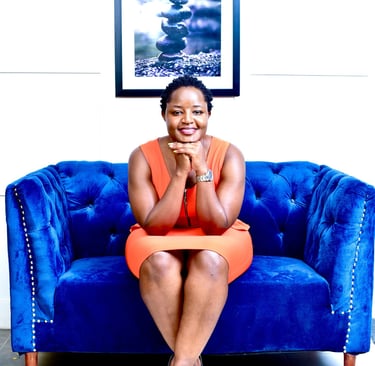
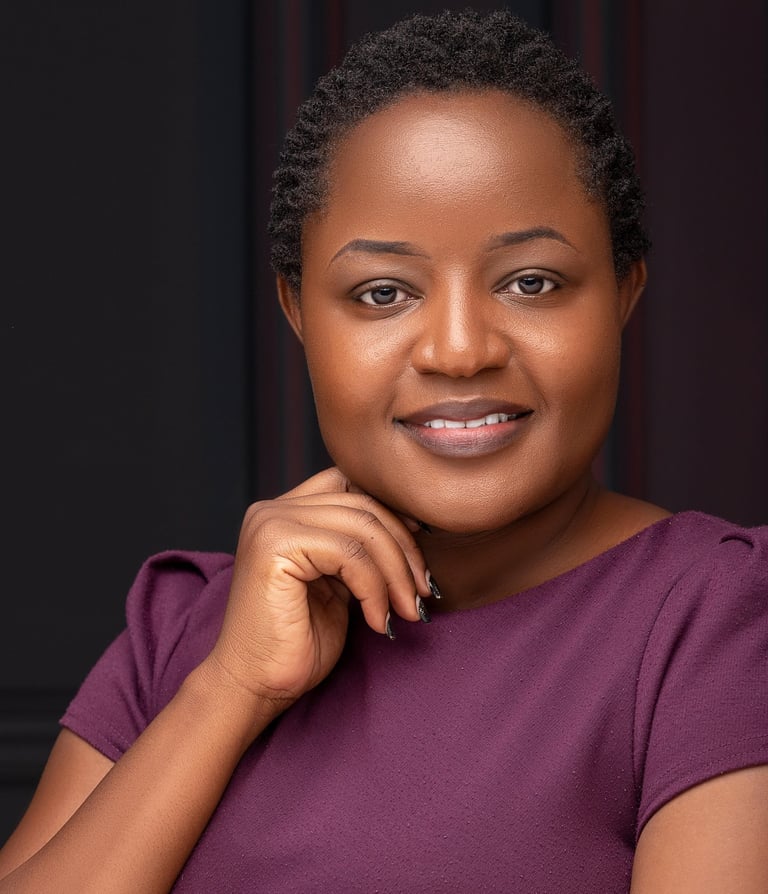
In an exclusive and heart-to-heart interview with The Voice Wellness, we had the privilege of sitting down with the remarkable Amb. Maryben Omollo. A beacon of hope and a testament to the power of resilience, Amb. Omollo shared her incredible journey—a path paved with challenges, triumphs, and a profound commitment to serving others. This interview is a rare glimpse into the soul of a woman whose life's work is a reflection of her unwavering spirit. Join us as we explore the wisdom, grace, and unwavering determination of Amb. Maryben Omollo—a true inspiration for us all.
The Voice of Wellness
8/22/20256 min read

2. Mental health still carries a stigma in many communities around the world. How have you worked to break down these barriers, especially in African contexts?
In Africa, we are raised to be strong, to hide our struggles, and sometimes to spiritualize everything. That creates stigma because when someone is struggling mentally, they’re often told to pray harder or just be strong. What I’ve learned is that stigma breaks when people see themselves in your story. So, I share openly about my own struggles. I enter spaces where people don’t expect conversations on mental health, like churches, schools, even football pitches, and I simply start the dialogue. People listen differently when they hear someone say I’ve been there too. That visibility, and showing that healing is possible, breaks barriers faster than statistics or lectures ever could.
3. As a global speaker, what common mental health challenges do you see globally, and how do they vary by region?
Across continents, I see the same themes: anxiety, burnout, and loneliness. But they show up differently. In Africa, stigma is often the bigger monster, people don’t seek help until it’s almost too late because admitting you’re struggling feels like weakness. In Europe or the US, loneliness is one of the biggest challenges, people have resources but they feel deeply isolated. In Asia, I’ve noticed pressure to perform and save face that leads to hidden depression. What I’ve come to realize is this, no matter where you are in the world, people are craving the same thing, to be heard, to be understood, and to know they’re not alone in their struggles.
4. What role does wellness play in leadership, and how can leaders foster a mentally healthy environment?
Leaders often forget they are human first. The truth is, the wellbeing of a leader sets the tone for everyone under them. If a leader hides exhaustion, the team hides theirs. If a leader works themselves to burnout, the team feels pressured to do the same. Wellness in leadership is about modeling humanity. It’s about creating a culture where vulnerability is not weakness but wisdom. Leaders can start by doing simple but profound things: checking in with people not only about targets but about how they are doing, building systems where asking for help is safe, and practicing transparency about their own struggles. A healthy leader creates a healthy environment, and that ripple effect can change entire organizations or even nations.
5. You often emphasize holistic wellness. What does that mean in practical terms for everyday people?
When I say holistic wellness, I mean recognizing that we are not just minds, or just bodies, or just spirits, we are all three. In practical terms, this means learning to check in with yourself fully. If your body is tired, rest is not laziness, it’s medicine. If your heart is heavy, journaling, therapy, or talking to a friend is as important as any diet. And for many people, nurturing spirituality, whether through prayer, meditation, or community, gives them resilience when logic fails. Holistic wellness is not about being perfect, it’s about listening to all parts of you and giving yourself permission to care for them.
6. The youth are facing unprecedented levels of anxiety and depression. What urgent changes would you recommend in schools or homes?
The world young people are growing up in is not the same world their parents knew. Social media, academic pressure, unemployment, broken homes, all of these are feeding anxiety and depression. What I would urge is this, in homes, parents should replace judgment with listening. Ask your children, how are you really, and let them answer without fear. In schools, we need to integrate mental health as part of education through counseling services, peer support groups, and life-skills training. Mental health should not be an afterthought, it should be part of how we raise the next generation. Because if we neglect it, no amount of academic excellence will prepare them for life.
7. Can you share a moment or story from your career that deeply impacted you?
There are many, but one that has never left me is a young woman who came to me after a group therapy session with hundreds of girls. She whispered, today is the first day I felt my life was worth saving. That moment humbled me. It reminded me that what we do is not about numbers or awards, it’s about souls. Sometimes, the difference between life and death for someone is simply being heard in a safe space. That story stays with me every time I feel tired, because it’s proof that one voice can shift someone’s destiny.
8. How do you personally maintain your own mental health and balance?
I’ve learned to practice what I preach. I journal almost daily, it helps me release emotions instead of carrying them. I take walks, especially in nature, because movement clears my head. I make intentional time for my family, because they are my grounding place. And spiritually, my faith is my anchor. I’ve also learned to unplug from social media when it gets too heavy. I always say I can’t pour into others if my cup is empty. So maintaining balance for me is an act of responsibility, not luxury.
9. What role does spirituality, community, or culture play in mental wellness?
In my experience, they play a huge role. In Africa, healing has always been communal, whether it’s storytelling, eating together, or gathering for rituals. Community is therapy in itself. Spirituality, on the other hand, gives people hope when logic cannot. It gives meaning to suffering and strength to endure. Culture provides belonging, a reminder that we are part of something bigger than ourselves. I’ve found that mental wellness deepens when we don’t try to heal in isolation, but when we allow culture, spirituality, and community to walk with us.
10. What message would you like to leave with our audience who may be silently struggling with their mental health today?
To anyone struggling in silence, I want you to know this: You are not broken. You are not less. You are human. Struggling does not mean you’re weak, it means you’ve been strong for too long. Please don’t carry the weight alone. Reach out, even if it’s just to one safe person. Healing is not instant, but it is possible. And no matter what your mind tells you in the darkest nights, your story is not over yet.
1. What initially inspired your journey into the field of mental health and wellness?
My journey was not something I read in a book, it was lived. I went through seasons of mental breakdowns, deep depression, even suicide attempts. I know what it feels like to lose yourself, to smile in public and cry in silence. For a long time, I thought I was alone until I began to realize how many people in my community were silently carrying the same pain. That realization, that we were all suffering quietly because of stigma and silence, became my turning point. I didn’t want my story to just end in survival. I wanted my scars to speak, to make sure someone else doesn’t go through it alone. That’s how my advocacy started, with pain that turned into purpose.
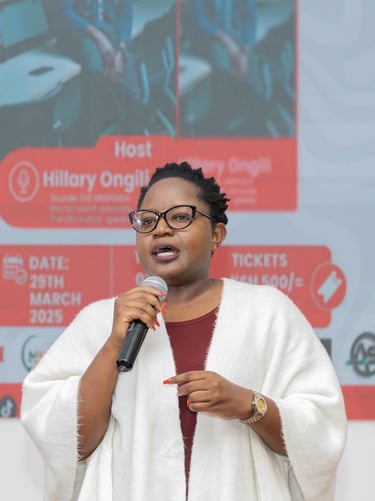
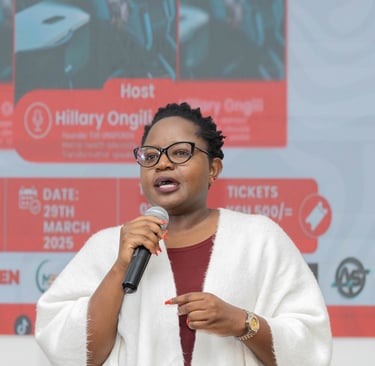
"Her story is not just one of professional accolades but a deeply personal narrative of transformation. From navigating life's adversities to emerging as a powerful advocate for wellness and community empowerment, Amb. Omollo's insights are both inspiring and deeply moving. She spoke candidly about the pivotal moments that shaped her perspective, the importance of self-care in a demanding world, and her vision for a healthier, more compassionate society".
Maryben is a global award-winning entrepreneur, international speaker, facilitator, mentor, mental health coach, and advocate for change. Her mission is to empower individuals and organizations to unlock their potential and lead impactful, fulfilling lives. With over 10 years of experience, Maryben has transformed countless lives through her mentorship programs, keynote speeches, and mental health initiatives.
Her dedication to entrepreneurship, personal branding, and youth and women empowerment has earned her over 16 global accolades, including:
Top 40 Africa Under 40 Women Empowerment Award (2022)
Africa Young Female Entrepreneurs Award, Ghana Home Builder Awards (2022)
Kenya’s Top 35 Under 35 Award (2021)
Eastern Africa Ambassador with the Global Startups Award (South Africa)
Top 50 Women globally in ERP by Sources Day (2022)
Biography
Connect with Ambassador Maryben
www.marybenomollo.com