South Africa Sounds the Alarm on Rising Diabetes Rates with Dr. Virosha Deonarain, Medical Manager, Servier Laboratories South Africa
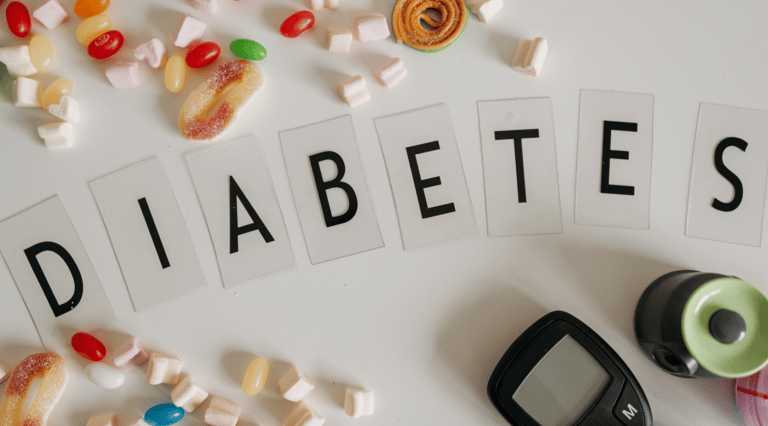
As part of World Diabetes Day 2025, Servier Laboratories South Africa launches the "Own Your Number" campaign, a national awareness initiative aimed at empowering citizens to take charge of their health through knowledge, screenings, and small lifestyle changes.
The Voice of Wellness
11/20/20256 min read
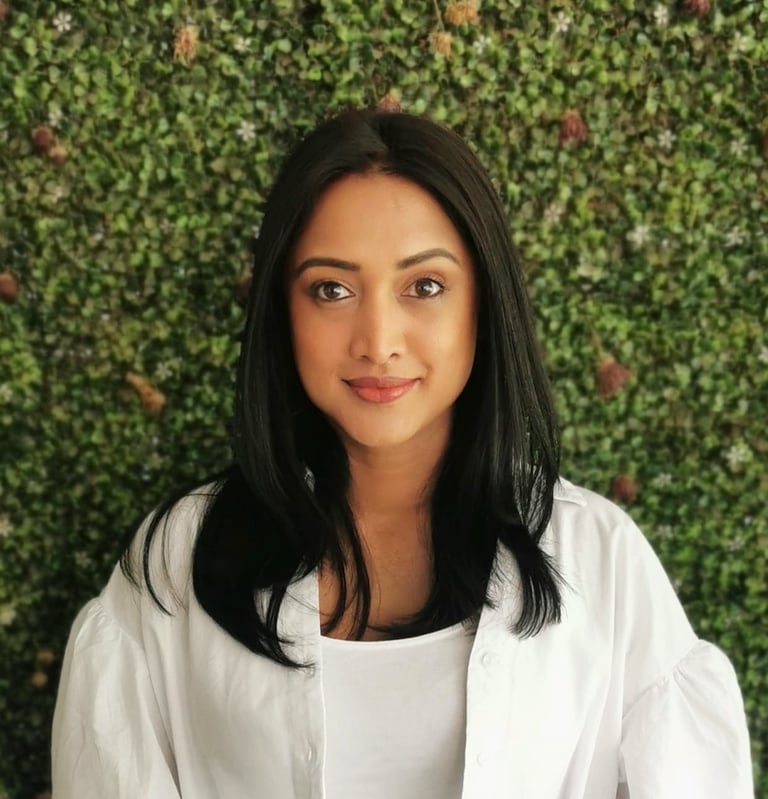

This campaign calls on South Africans to take ownership of their health. How does "Own Your Number" differ from other awareness initiatives, and what makes it more relatable to the public?
"Own Your Number" transforms awareness into action — empowering South Africans to understand, monitor, and manage their blood glucose levels, fostering early detection, better control, and a stronger sense of ownership over their health.
It seeks to :
Empower patients through knowledge - Educated patients are more likely to adhere to treatment plans, monitor their blood sugar consistently, and maintain healthier habits. Inevitably, patients build confidence and become accountable to make informed lifestyle and treatment decisions.
Shifts the focus from crisis-driven care to proactive, preventive health behaviours – ultimately ensuring that patients are motivated, proactive and driven to self-manage their health.
Promotes early detection and prevention by normalising the conversation around checking glucose levels — just as people "know their blood pressure" or "cholesterol numbers."
With this year's global theme focusing on "Diabetes and the Workplace," how does the condition affect employee productivity and overall economic performance?
The physiological effects of diabetes impacts a patient from fatigue and poor concentration to long-term organ damage — directly reducing individual productivity. When multiplied across the workforce, this translates into substantial economic losses through absenteeism, lower performance, and higher healthcare costs. Effective diabetes prevention and management are therefore not only medical priorities but key economic investments.
You mentioned that more young adults and even teenagers are now being diagnosed with type 2 diabetes. What is fueling this disturbing trend?
Similar to adult onset diabetes, childhood onset diabetes also has a multitude of factors – some that is somewhat concerning:
With increased exposure to ultra-processed foods comes increased consumption of high-sugar, high-fat, and processed foods among youth. Sugary drinks and fast food have become daily staples resulting in the development of insulin resistance at a younger age.
Physical inactivity due to increased screen time, reduced outdoor play, and unsafe environments limit physical activity. Sedentary lifestyles in adolescence promote rapid weight gain and metabolic dysfunction.
Children of parents with diabetes or obesity have a higher risk. Shared family habits (poor diets, physical activity) reinforce the cycle of risk.
Academic pressure, social stress, and irregular sleep patterns affect hormonal balance and glucose regulation.
The growing diagnosis of type 2 diabetes among young adults and teenagers is a warning sign of the deepening impact of lifestyle and environmental factors on public health. Without urgent prevention, screening, and education, South Africa risks facing a generation living with chronic disease from adolescence into adulthood.
How is Servier working with pharmacies and healthcare providers to ensure free screenings and educational programs reach South Africans in remote or low-income areas?
Servier's focus on supporting healthcare professionals in under-privileged communities ensures that doctors and pharmacists have access to evidence-based information and tools to optimise the management of multimorbid patients — individuals living with more than one chronic condition.
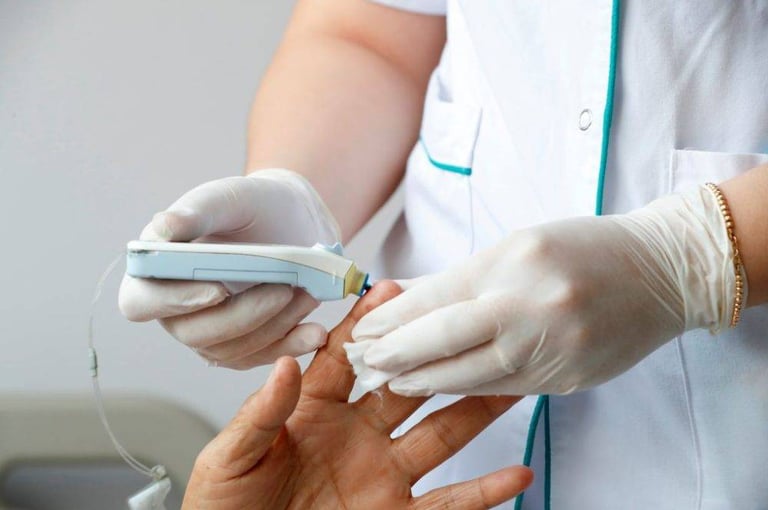
In addition, Servier actively facilitates community pharmacy screening days, helping to drive early diagnosis and increase disease awareness in areas where health literacy remains low. Through these initiatives, Servier continues to strengthen the link between education, early detection, and improved long-term patient outcomes.
Many health campaigns rely on fear tactics. Why did Servier choose an empowerment-based communication strategy, and how has it resonated so far?
We live in an age where chronic stress and anxiety have become part of everyday life. The high cost of living, rising crime rates, and the pressure to remain resilient in demanding work environments have led many people to disconnect from their own health and wellbeing. To change this, we need to empower individuals and foster a culture of personal control — one where people understand that managing their health starts with small, consistent actions. Empowerment creates engagement, and consistency sustains change — the foundation for better management of chronic conditions and healthier communities.
The excitement is steadily building. Patients are becoming more curious and engaged, asking thoughtful questions about their health. Doctors are initiating deeper conversations and seeking additional resources to communicate more effectively with their patients. Meanwhile, pharmacies are fostering stronger patient–pharmacist collaborations, creating deeper connections within communities during screening days. Together, these interactions are transforming awareness into meaningful action.
How does Servier's approach to diabetes management combine medical treatment with sustainable lifestyle interventions?
In South Africa, Servier proudly introduces Gliclazide, a trusted sulphonylurea that provides an effective option for achieving optimal HbA1c control while maintaining a low risk of hypoglycaemia. This therapy reflects Servier's ongoing commitment to delivering evidence-based solutions that support healthcare professionals in improving outcomes for patients living with type 2 diabetes.
Beyond therapeutic solutions, Servier's initiatives extend to both patients and healthcare professionals, reinforcing its holistic approach to care. For patients, tools such as the My Health Partner website and the Health Windows managed care programme ensure continuous support — from the point of diagnosis to long-term adherence and disease management.
For healthcare professionals, Servier provides access to educational resources and clinical updates through the MyServier platform, regular CME events, and a strong presence at national and international congresses. These initiatives ensure that HCPs remain at the forefront of evidence-based practice, empowering them to optimise patient outcomes through informed clinical decisions.
Given that many South Africans remain undiagnosed, what policy reforms or systemic shifts would you recommend to improve national diabetes detection and care?
Diabetes detection and care requires a multi-sector collaboration to address all gaps in the determinants of health care. It is widely acknowledged that some of the factors that perpetuate the poor diabetes diagnosis and lower rates of diabetes control is due to the poor social, economic and commercial determinants, amongst others. Despite having national strategies, gaps remain in implementation, early detection, patient adherence, and community-level prevention. Policy reform is essential to strengthen health systems, address social determinants, and ensure consistent, coordinated NCD control.
Policy reforms in education to ensure that non-communicable disease awareness is integrated into the teaching curriculum, is critical- given the high rate of adolescent overweight and obesity. Introduce age-appropriate, experiential learning – like classroom glucose testing demonstrations, understanding/practising anthropometric measurements in practical sessions, ( hip and waist measurements), macronutrient understanding and label reading – should all start at grass-root level.
School's nutrition policies should be strengthened to enforce stricter nutritional standards for school meals and tuck shops (restricting the marketing of foods high in salt, sugar and fats to children). Healthy schools should be incentivised through recognition programs
Food policies need to be more directive and prescriptive on the amounts of salts/sodium, sugars, colourants and preservatives necessary in food- with tighter regulations on ultra-processed food availability.
Health literacy and behavioural changes need to be addressed by public education campaigns on diet, physical activity, tobacco, and alcohol. These can be joint campaigns involving the public the private sector.
Mental Health and wellness needs to be integrated into primary health care and workplace wellness policies. It is important that chronic stress, depression and anxiety are acknowledged and recognized as co-drivers of NCDs.
As South Africa joins the world in observing World Diabetes Day 2025, what final message would you like to leave with the public about "owning their number"?
As South Africa joins the world in observing World Diabetes Day 2025, let us remember that true change begins with awareness — and awareness begins with knowing your number. Your blood glucose number is more than just a reading; it's a reflection of your health today and a guide to the choices that shape your tomorrow. By owning your number, you take back control — empowering yourself to prevent, detect, and manage diabetes early. Whether you are living with diabetes or at risk, knowing your number means knowing your power. It's about taking small, consistent steps — eating wisely, staying active, managing stress, and showing up for your health checks.
Together, we can turn knowledge into action, and action into better health.
Own your number. Own your health. Own your future.
Closing Note:
Servier Laboratories South Africa remains committed to advancing healthcare solutions that empower people to take charge of their well-being. Through collaboration with healthcare providers, communities, and policymakers, the "Own Your Number" campaign aims to transform awareness into action for a healthier South Africa.
South Africa currently has the highest prevalence of diabetes in Africa. What do you believe are the main factors driving this alarming rise in cases?
There is a multitude of factors that is compounding the Diabetes crisis in South Africa – and that may be applicable to much of third world countries.
A low socioeconomic status is a major underlying driver of diabetes in South Africa - with limited access to healthy food, poor infrastructure and limited healthcare access.
Urban lifestyles have seen an increase in sedentary behaviours in children and adults – as a result we are seeing earlier diagnoses of other lifestyle conditions like obesity and hypertension.
Poor health literacy – results in late diabetes diagnosis – with patients being uncontrolled for years before starting treatment. Predisposing them to the complications of Diabetes (stroke, CV events, loss of eyesight, amputation etc). A poorer understanding of Diabetes also negatively affects patients adherence to lifestyle changes and medication regiments – again further compounding the likely onset of complications.